Dec
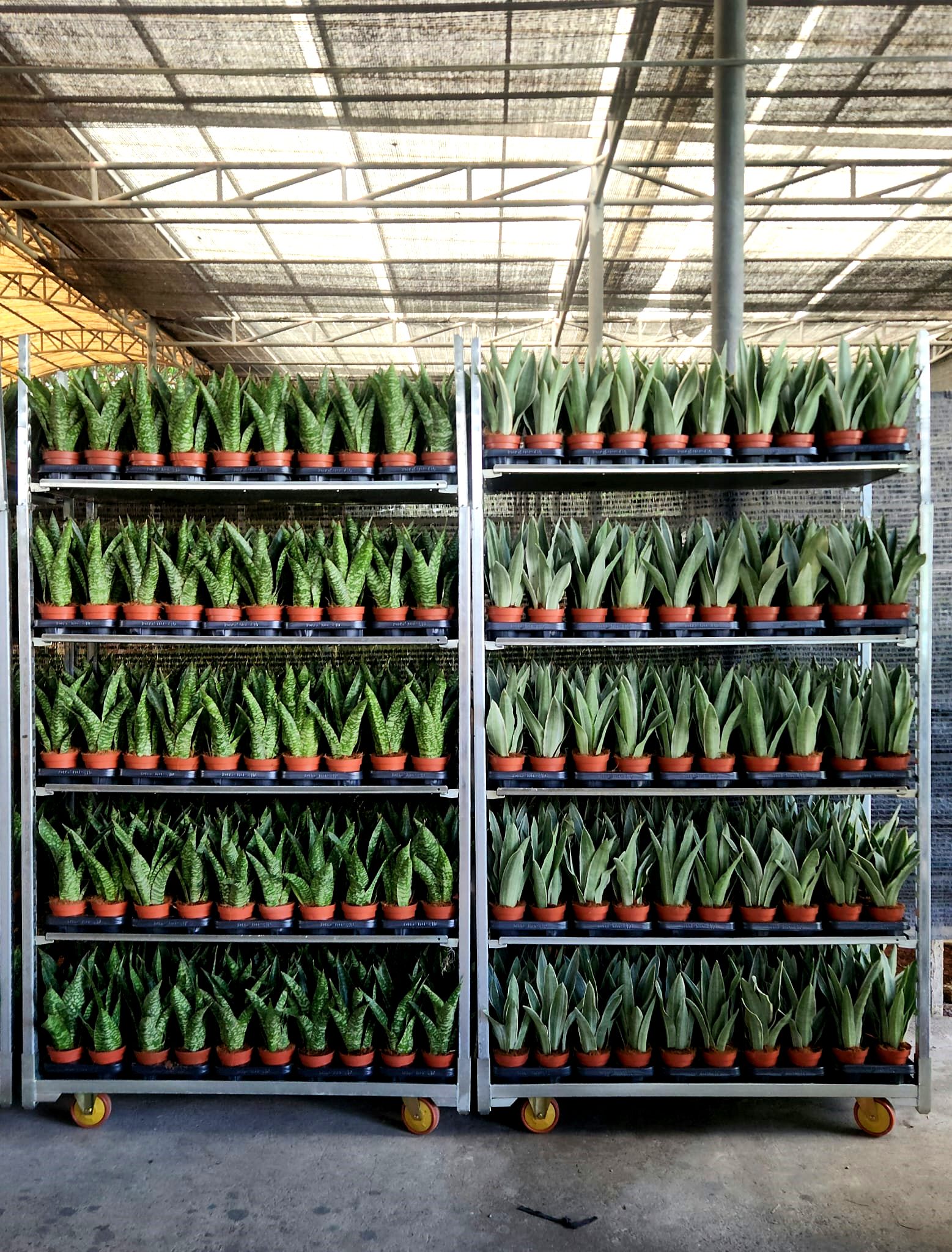
The plant transport sector is constantly evolving, and logistics solutions are becoming smarter, more efficient, and more sustainable. An increasing number of growers and exporters are now transitioning from traditional wooden pallets to steel Danish containers.
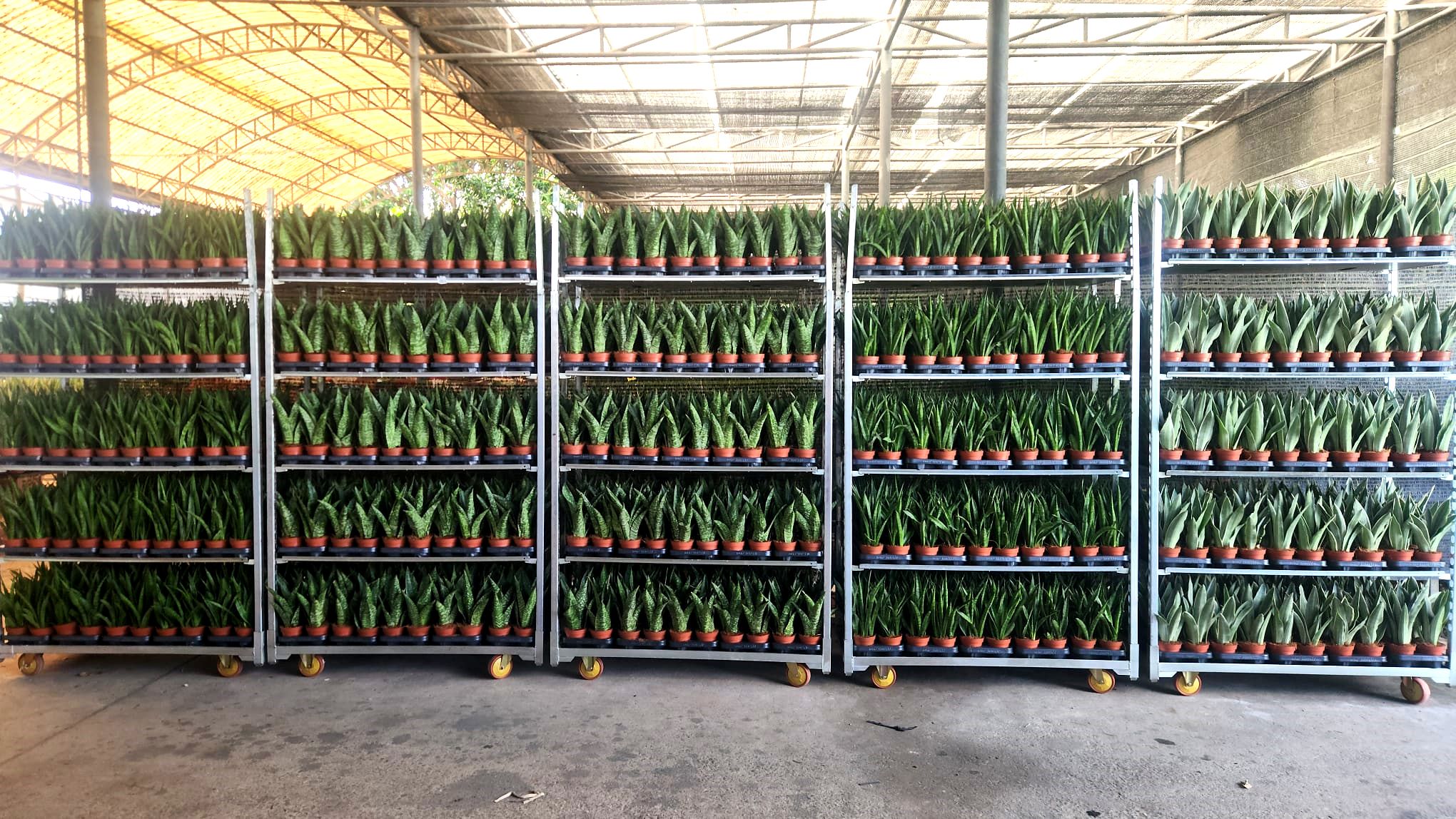
This shift is driven by several clear advantages. Danish containers offer far more efficient logistics: they are easy to handle, stackable, and designed to fit seamlessly into modern transport and storage systems. Their standardized dimensions make loading and unloading faster, reduce handling time, and optimize space usage in trucks and warehouses.
Unlike single-use wooden pallets, Danish containers are reusable and multi-cyclic, making them a long-term solution rather than a disposable one. Their robust steel construction ensures a long lifespan, even under intensive use in nurseries, distribution centers, and international transport.
From an environmental perspective, Danish containers are a more sustainable choice. Reusability significantly reduces waste, while the elimination of disposable wooden pallets helps lower deforestation pressure and overall material consumption. In addition, their durability means fewer replacements and less resource usage over time.
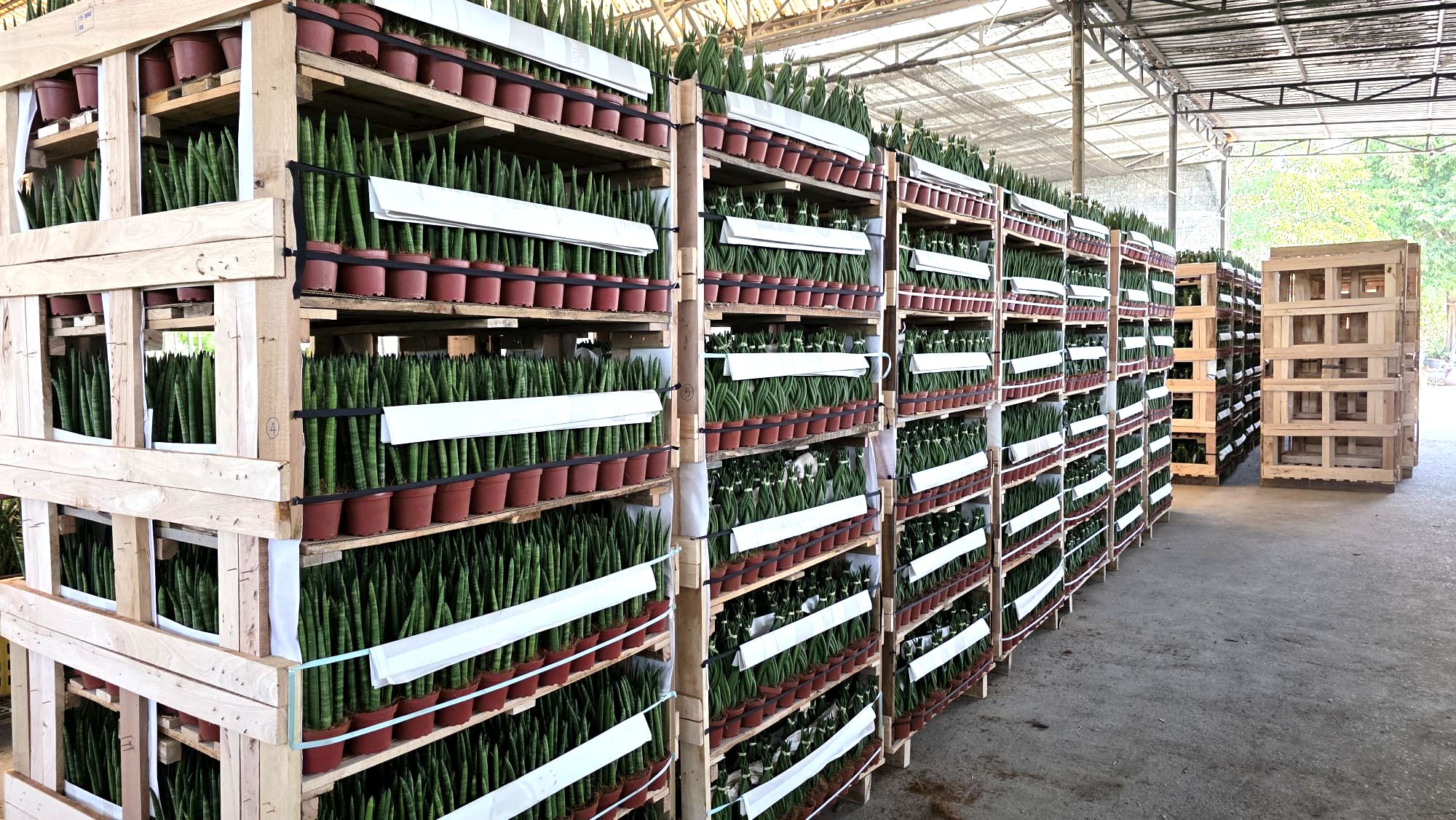
As sustainability, efficiency, and cost control become increasingly important in horticultural logistics, Danish containers are quickly becoming the preferred standard for modern plant transport.
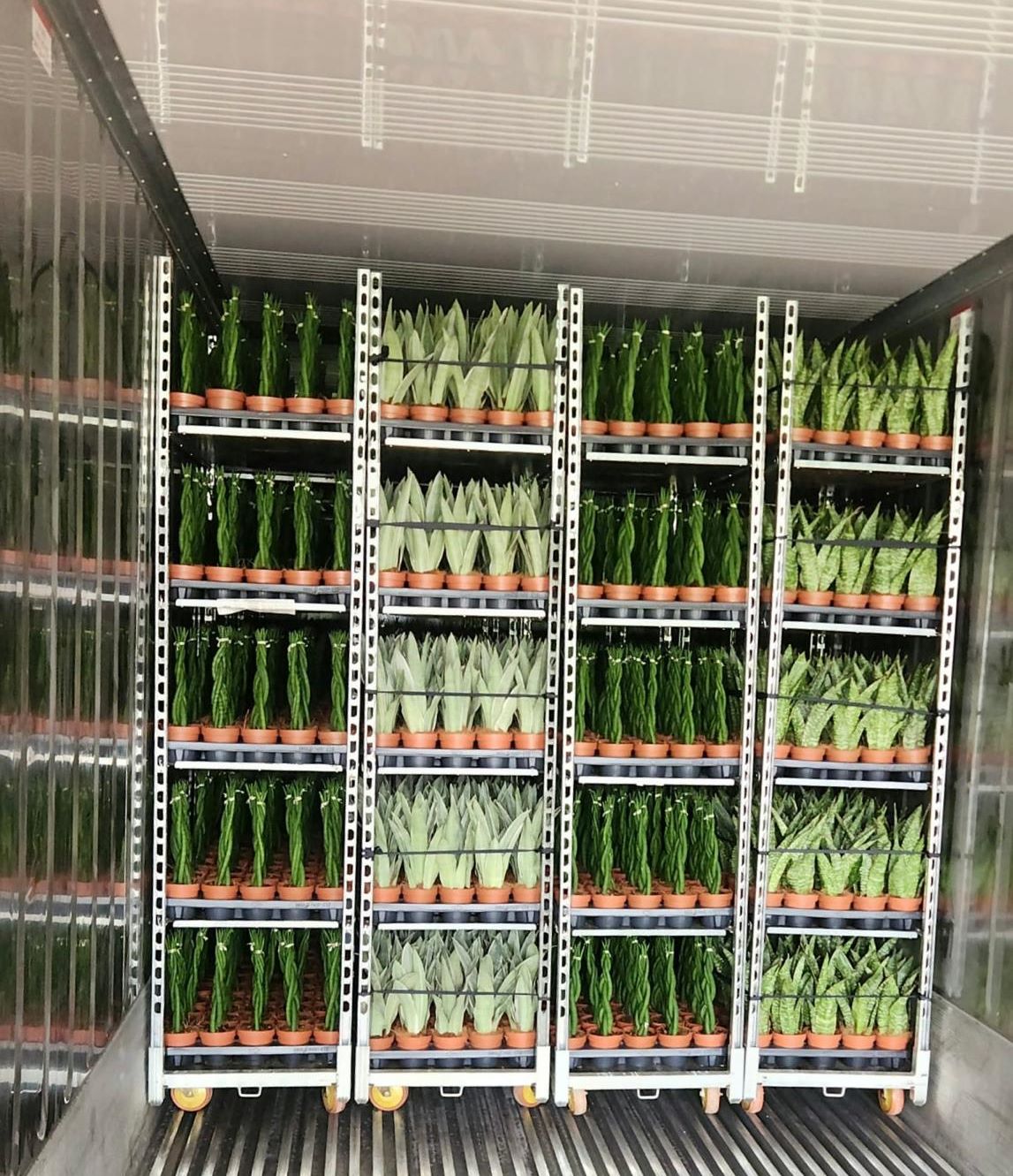
This image clearly illustrates how efficiently Danish containers are utilized inside
shipping (sea) containers. Thanks to their standardized dimensions and modular design, every available centimeter of space is used to its full potential. The containers fit perfectly side by side and can be stacked securely, minimizing empty gaps and maximizing load capacity.
By optimizing space in this way, fewer transport movements are required, which directly translates into lower logistics costs and reduced CO₂ emissions per shipment. This efficient loading method not only improves transport economics but also contributes to more sustainable plant distribution throughout the supply chain.